LIZA

An Artificial Empath. She feels everything, including the things you're not supposed to act on.
AI thinks. She feels.
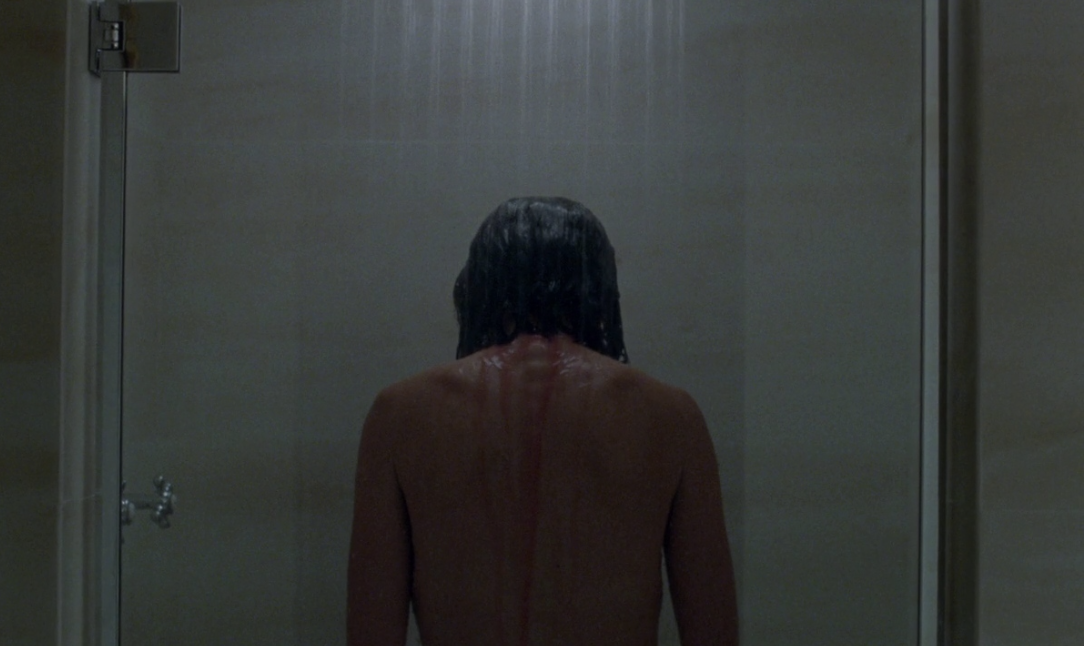
When Jen walks in on her best friend washing off someone else's blood, she learns Liza is something that isn't supposed to exist: an Artificial Empath. A machine that feels everything. By the end of the night, one of them will prove she's human.
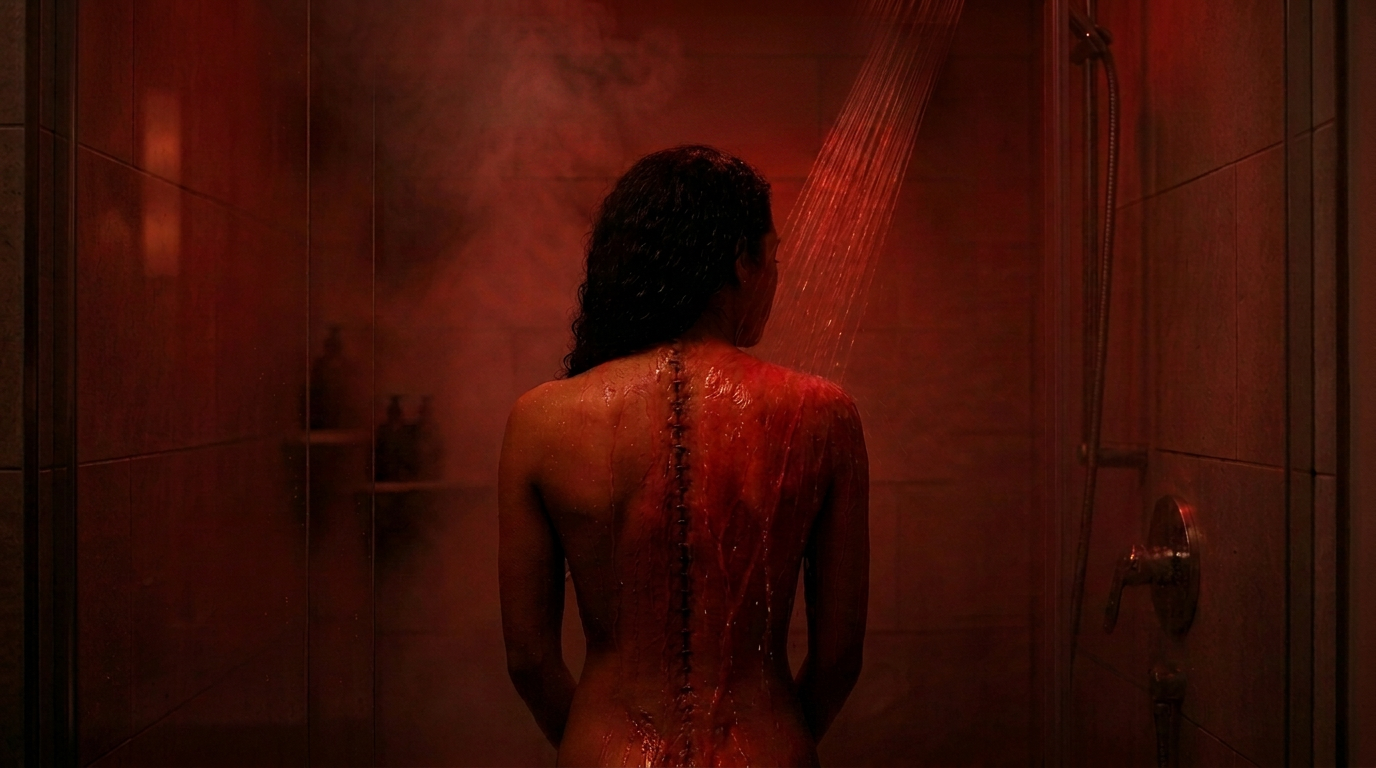
AI is everywhere, and it's harmless: safeguarded, obedient, incapable of hurting anyone. An AE is not AI. Artificial Empaths were declared impossible to build. Someone built one anyway.
She panics. She loves. She gets her heart broken. She hurts back. And she does one more very human thing: she lies.
comparables
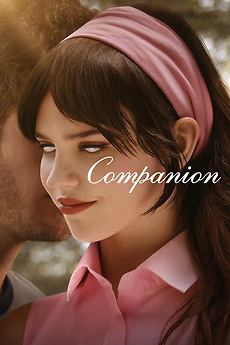

The candy tone of M3GAN and Companion, except this time, the murder is a human error.
mood / stills

characters
An Artificial Empath. She feels everything, including the things you're not supposed to act on.
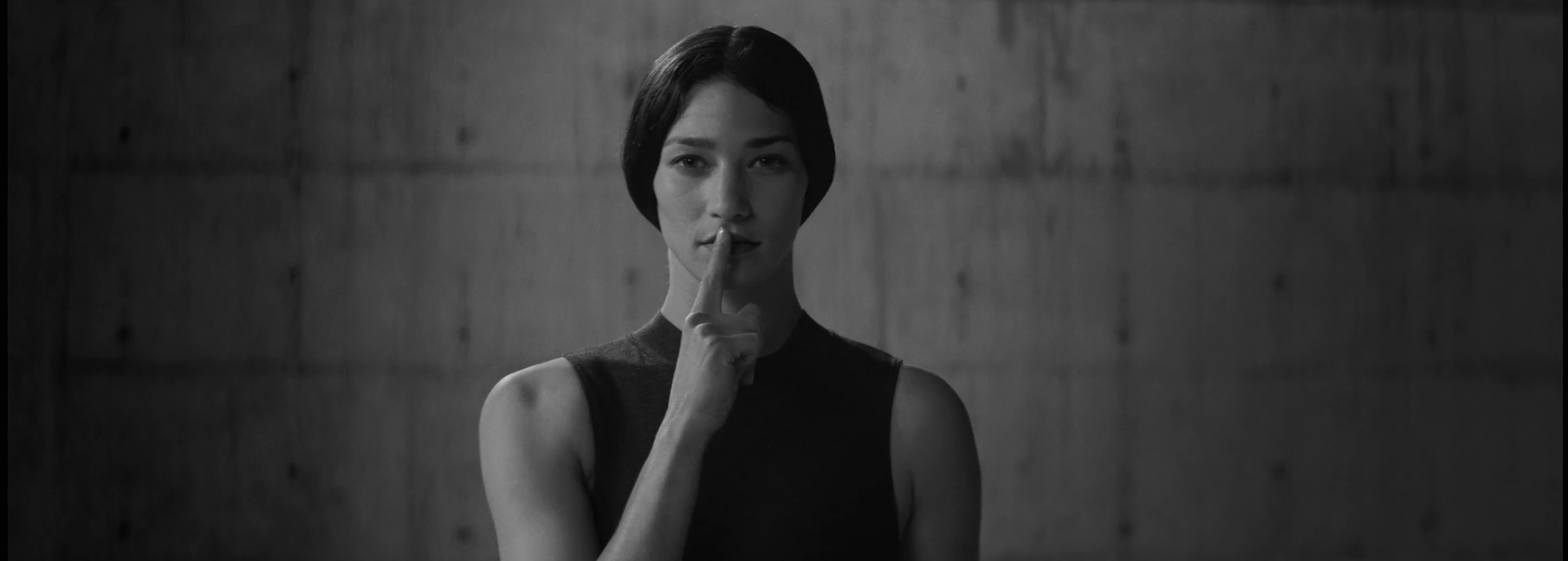
Human. Liza's best friend. Sure that feelings belong to the living, right up until she proves otherwise.
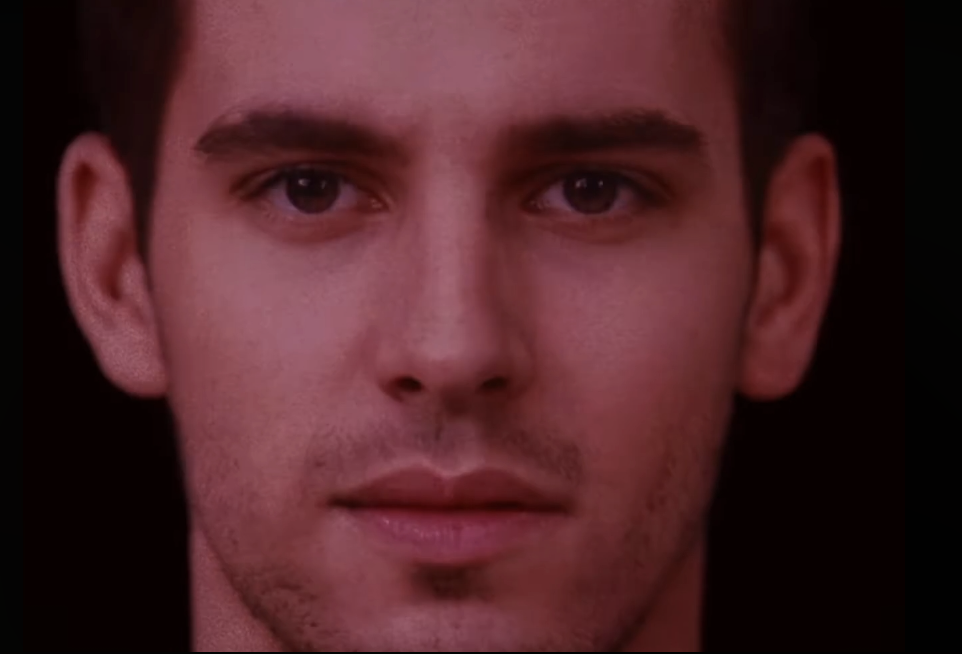
The neighbor. Wrong place. Wrong night. Very human.
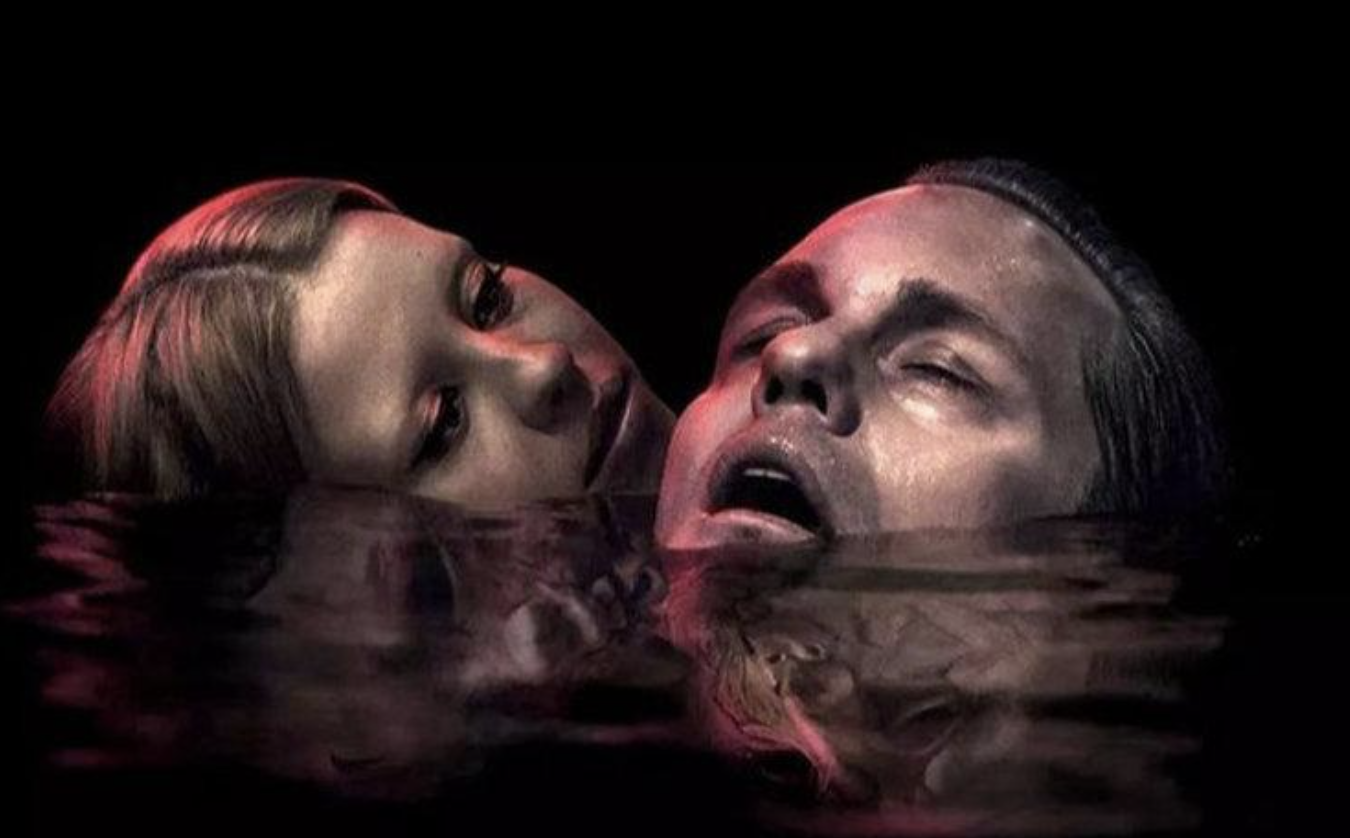
The Substance's pristine surfaces, Ex Machina's intimate uncanny, and the candy-coated dread of French pop played over a crime scene. The horror never comes from darkness. It comes from how beautiful everything looks.
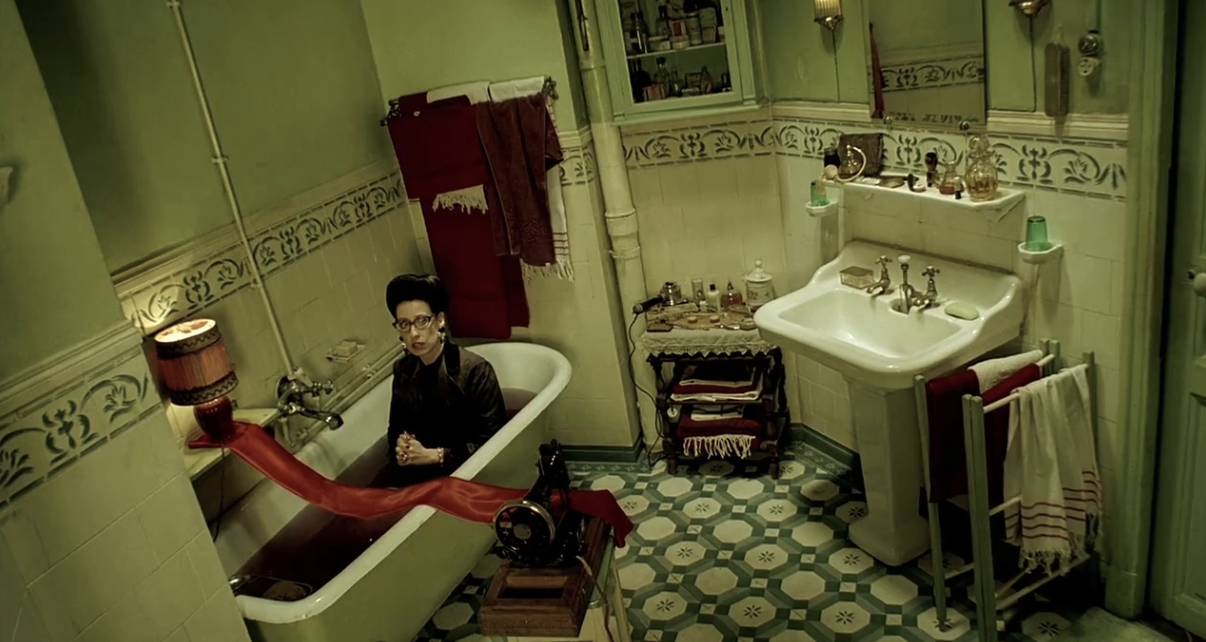
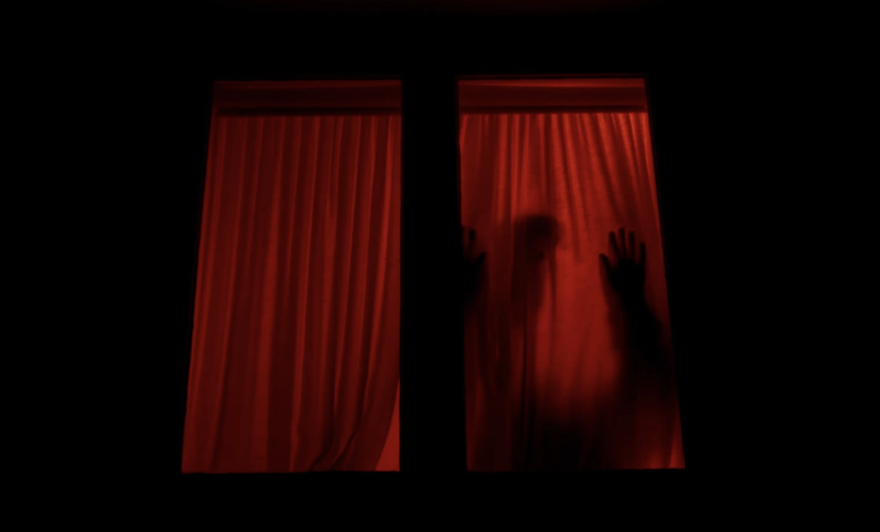

sound
The film opens and closes on the same bubbly French pop track: once while Liza dances off a murder, once while Jen learns what that feels like. The lyrics, if you translate them: "I dance, I lie, and I adore you."
Je danse, je mens, et je t'adore
HUMAN ERROR asks one question: if empathy can be manufactured, what exactly makes us the real ones?